-

The Solar Energy Quiz Bowl Game
Getting ready to shake up your class with something fun and a bit competitive? I’ve got just the thing for you—a game that’s not only a blast but super educational! If you want to infuse energy into your review sessions, why not try a quiz bowl tailored explicitly to solar energy topics? Yep, I’m talking…
-
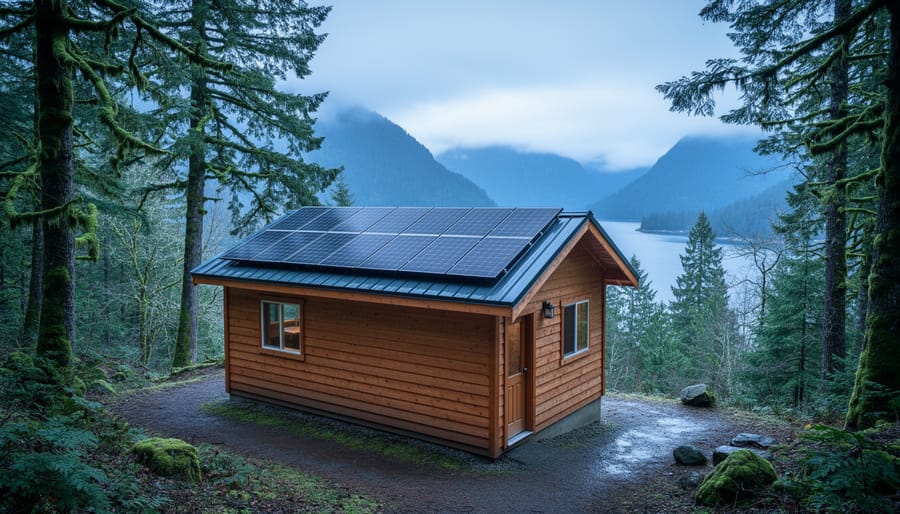
How BC Residents Are Cutting Power Bills to Zero with Off-Grid Solar
Evaluate your property’s solar potential by calculating your daily electricity consumption in kilowatt-hours, then multiply by 1.5 to account for British Columbia’s winter months when solar production drops by up to 60%. This baseline determines your minimum battery storage needs and panel array size. Examine successful BC installations matching your location’s climate zone. A Sunshine…
-
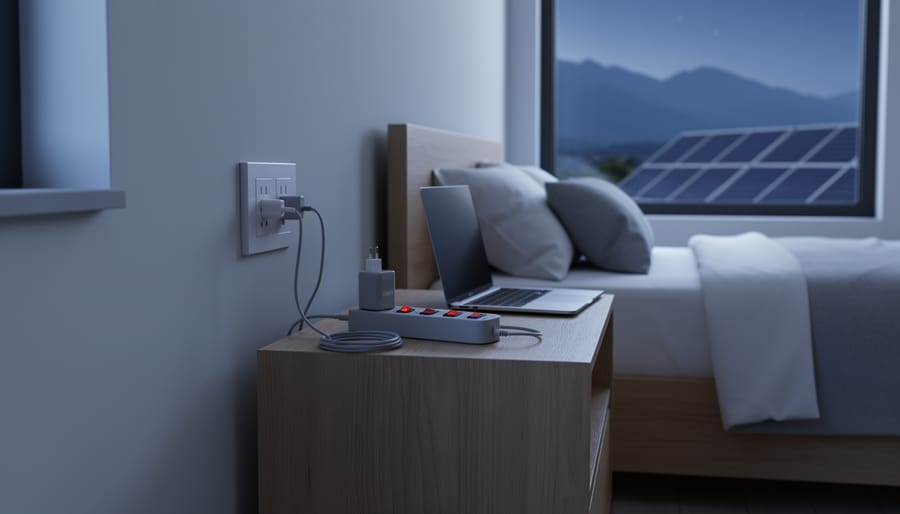
Smart Outlets That Cut Your Energy Bill While You Sleep
Your devices are quietly draining energy and money even when you think they’re off. Computers in sleep mode, phone chargers left plugged in, coffee makers on standby—these phantom loads account for up to 20% of your electricity bill. Plug load controls offer a straightforward solution: intelligent outlets and power strips that automatically cut power to…
-
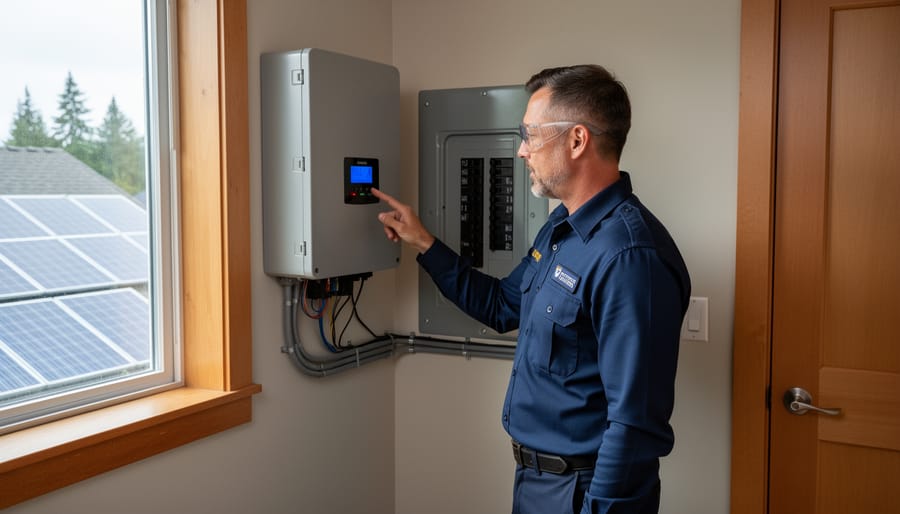
Why Your Home Electrical Inspection Could Save You From a Costly Solar Installation Mistake
Schedule your electrical inspection before installing solar panels to avoid costly reinstallation. BC’s electrical safety regulations require a qualified electrical inspector to verify your solar system meets provincial standards before connecting to the grid. This mandatory step protects your investment, ensures your family’s safety, and prevents insurance complications down the road. Understand that inspections happen…
-
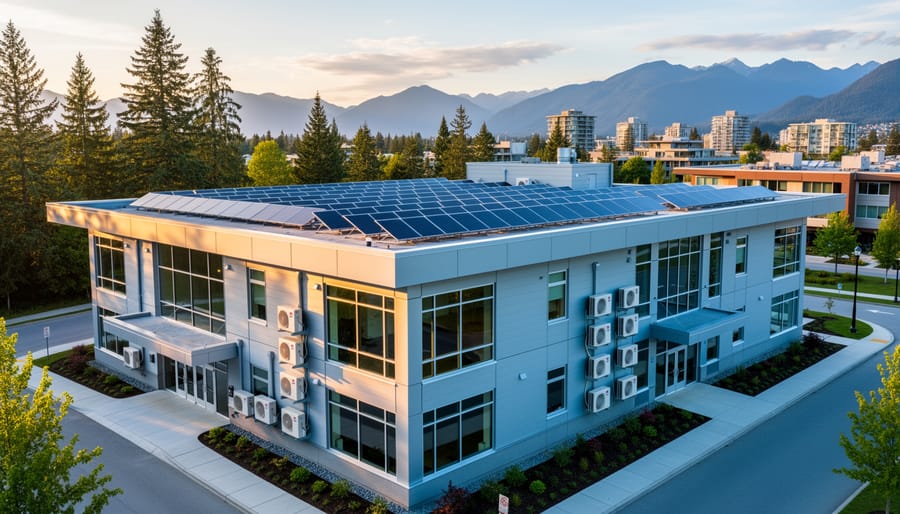
How BC Municipalities Are Slashing Emissions from Their Buildings (And Saving Money)
Municipal buildings across British Columbia consume vast amounts of energy for heating, cooling, and operations, accounting for a significant portion of community greenhouse gas emissions. Decarbonizing these facilities isn’t just an environmental imperative—it’s a practical pathway to reduce operating costs, demonstrate climate leadership, and inspire broader community action. Buildings decarbonization means eliminating or dramatically reducing…
-
How BC’s New Net Surplus Compensation Rate Affects Your Solar Payback
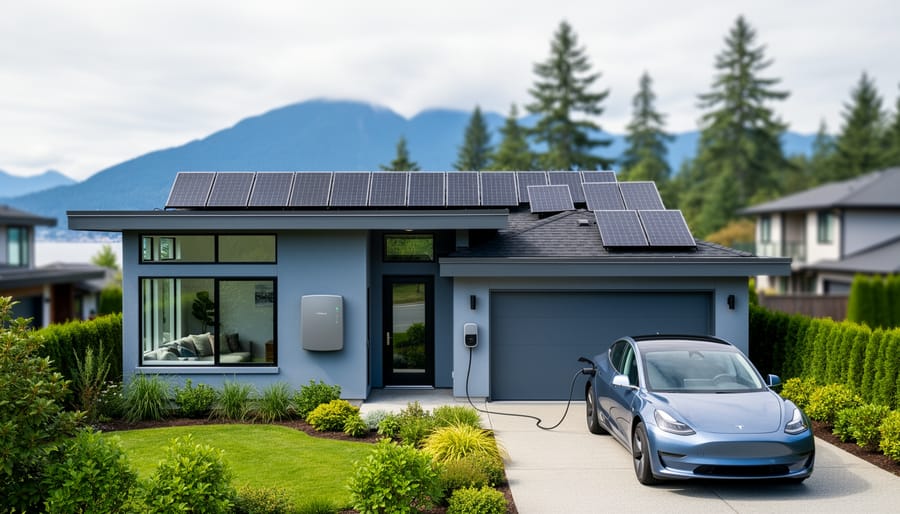
Understand how BC’s net metering reform affects your solar investment by checking your utility’s current net surplus compensation rate—the amount credited for excess electricity your solar panels send back to the grid. BC Hydro now compensates surplus generation at wholesale rates (approximately 9.99 cents per kWh) rather than the previous retail rate (around 12-14 cents…
-
MBCX: The Missing Link Between Your Solar Investment and Real Performance
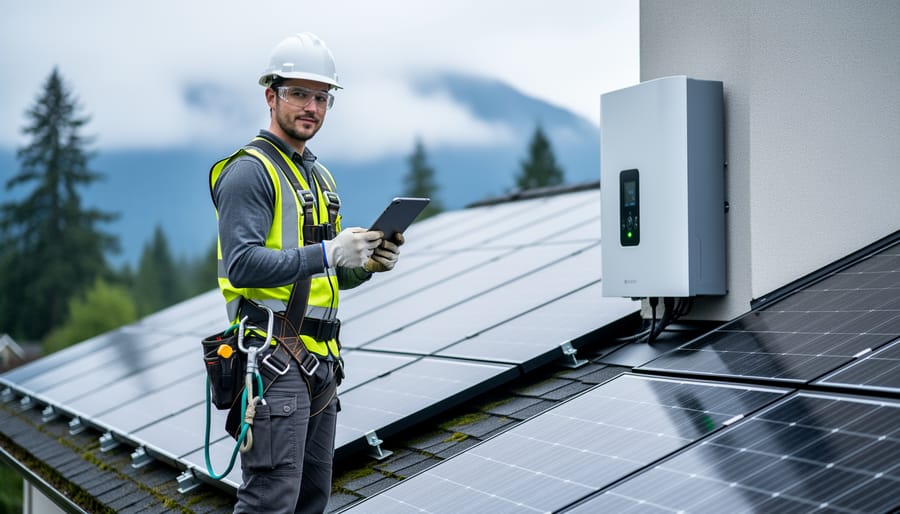
Verify your solar installer includes monitoring-based commissioning (MBCX) in their contract before signing—this systematic process uses real-time data collection to confirm your photovoltaic system operates at its designed capacity from day one. Request documented performance verification within the first 30 days of installation, comparing actual energy production against manufacturer specifications and your site’s solar potential.…
-
How Automated Demand Response Programs Can Slash Your BC Energy Bills
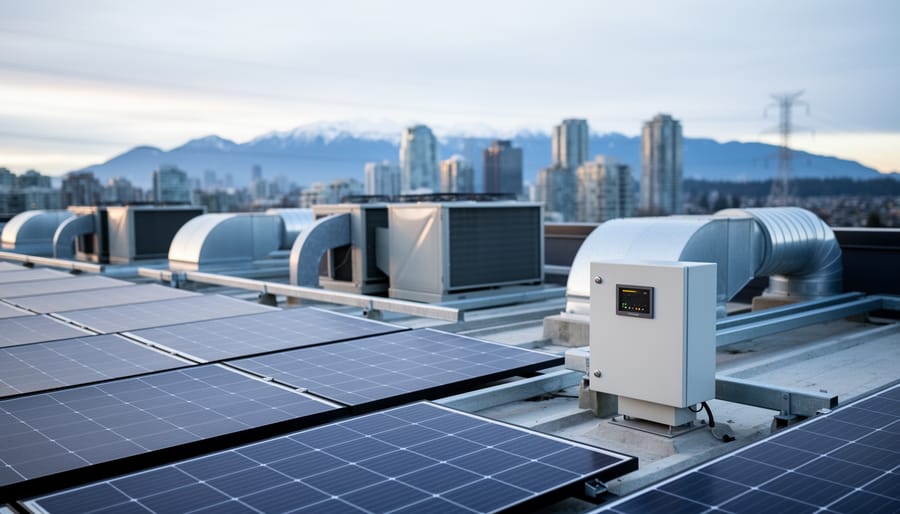
Energy costs hit BC property owners hardest during peak demand hours—typically weekday afternoons and cold winter mornings when electricity prices surge. Automated demand response (ADR) programs solve this problem by automatically reducing your building’s energy consumption during these expensive periods, cutting utility bills by 10-30% while supporting BC’s clean energy grid. ADR technology works like…
-
How Building Code Compliance Can Make or Break Your Small Wind Project in BC
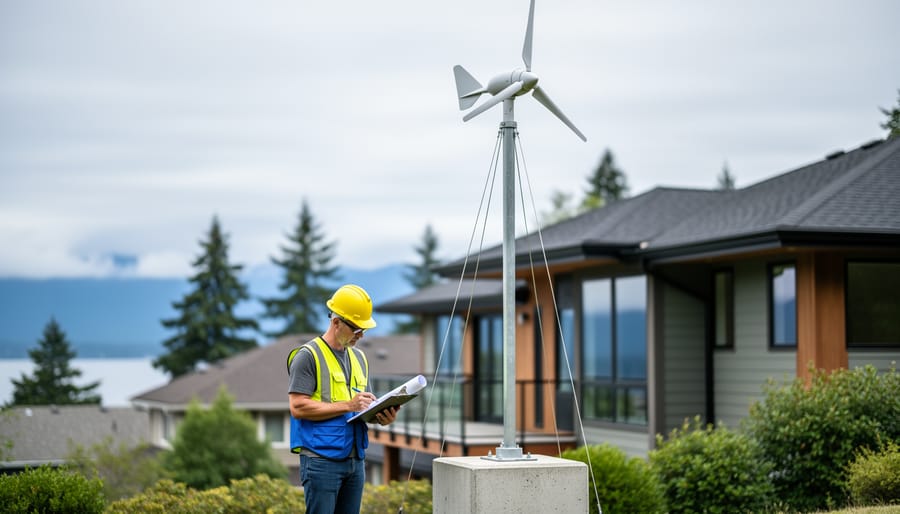
Verify your small wind turbine project meets BC Building Code requirements before purchasing equipment or breaking ground. Building codes exist to protect your safety, your neighbors, and your investment—ignoring them can result in expensive removal orders, denied insurance claims, and legal liability if your turbine causes property damage or injury. Confirm your municipality’s zoning bylaws…
-
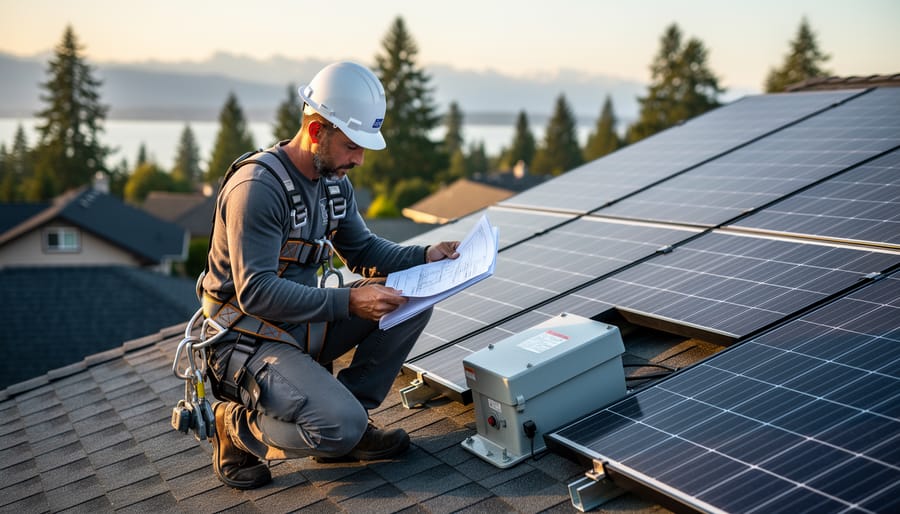
Why Your Solar Panel Permit Got Rejected (And How BC’s Solar Codes Actually Work)
Verify your solar installation plans comply with the 2024 Canadian Electrical Code Part I and BC’s specific amendments before submitting permit applications. The electrical code mandates precise requirements for conductor sizing, disconnect locations, and rapid shutdown systems that can delay or derail your project if overlooked. Request a detailed code compliance checklist from your solar…
-
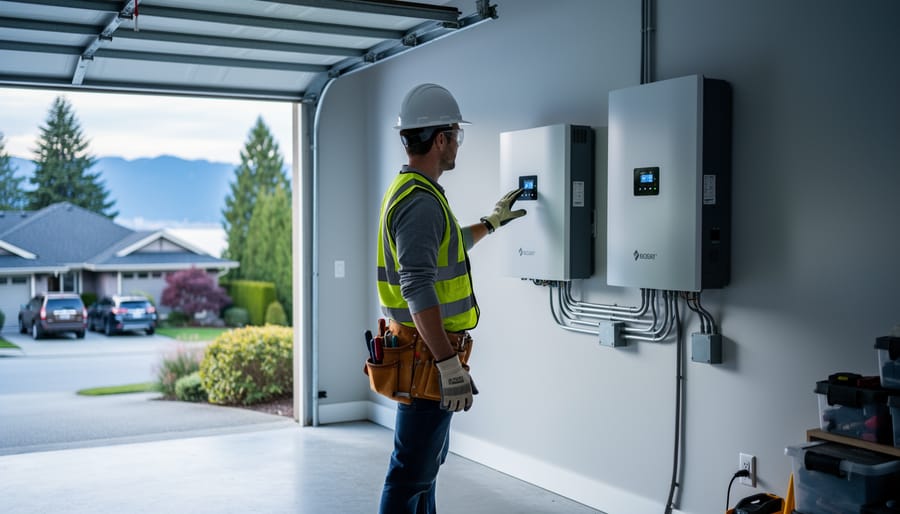
Why Your Solar Battery Storage Project Needs Building Energy Code Approval in BC
Installing battery energy storage in British Columbia requires navigating multiple regulatory layers, and building energy codes form just one piece of this compliance puzzle. These codes establish minimum performance standards for energy efficiency in new construction and major renovations, but they intersect with fire safety, electrical, and permitting requirements when you add battery systems to…