-

The Solar Energy Quiz Bowl Game
Getting ready to shake up your class with something fun and a bit competitive? I’ve got just the thing for you—a game that’s not only a blast but super educational! If you want to infuse energy into your review sessions, why not try a quiz bowl tailored explicitly to solar energy topics? Yep, I’m talking…
-
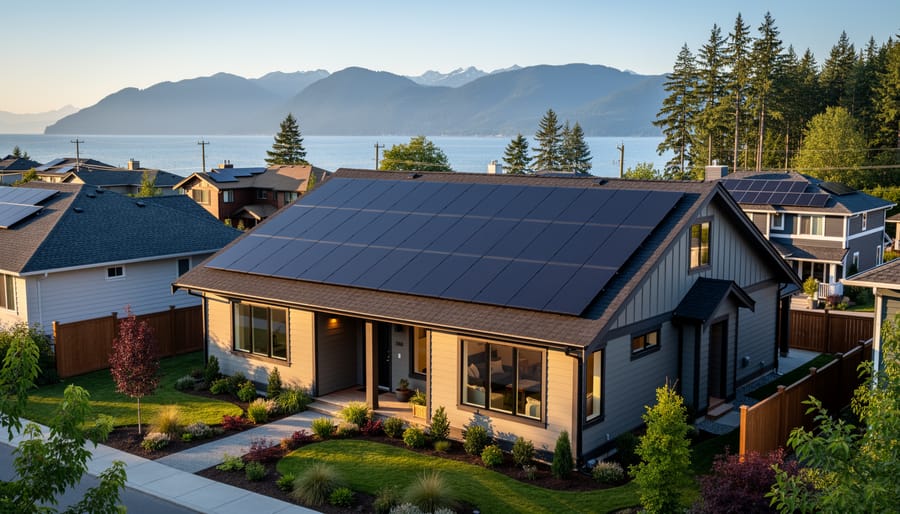
How Net-Zero Energy Homes Are Changing BC’s Solar Landscape
Calculate your home’s annual electricity consumption in kilowatt-hours by reviewing your BC Hydro bills from the past 12 months. A typical British Columbia household uses between 10,000-15,000 kWh yearly, but your actual usage determines the solar system size needed to reach net-zero status. This number becomes your baseline target for solar production. Understand that a…
-
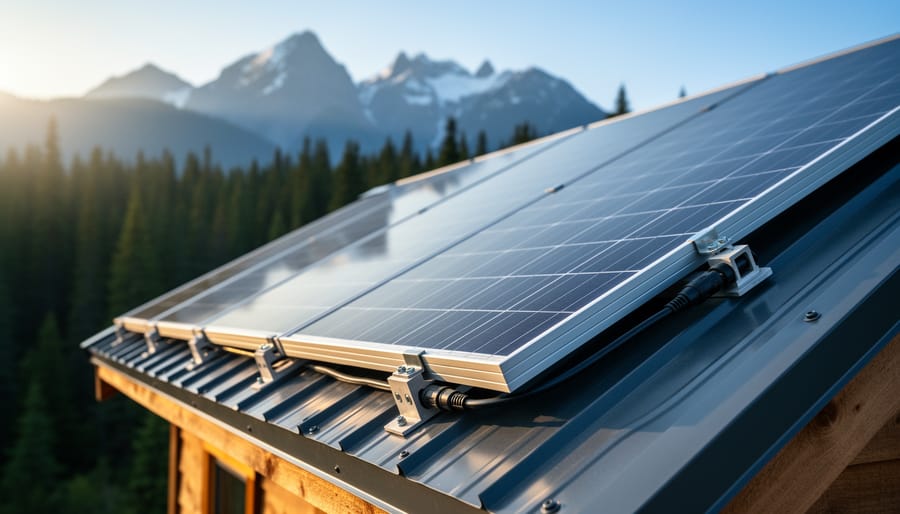
What Voltage Does Your 100-Watt Solar Panel Actually Produce?
A 100-watt solar panel typically produces between 18 and 22 volts under standard test conditions, though the actual voltage output varies based on whether the panel is actively connected to a load. This seemingly simple specification becomes crucial when you’re planning your solar installation in British Columbia, where matching panel voltage to your battery bank…
-

What Actually Happens Inside a Solar Panel Factory
Understanding how solar panels are manufactured empowers you to make informed investment decisions and identify quality products for your British Columbia home or business. The manufacturing process directly impacts panel efficiency, durability, and long-term performance in our unique coastal climate. Examine the silicon purification standards when reviewing manufacturer specifications, as higher-grade polysilicon produces more efficient…
-
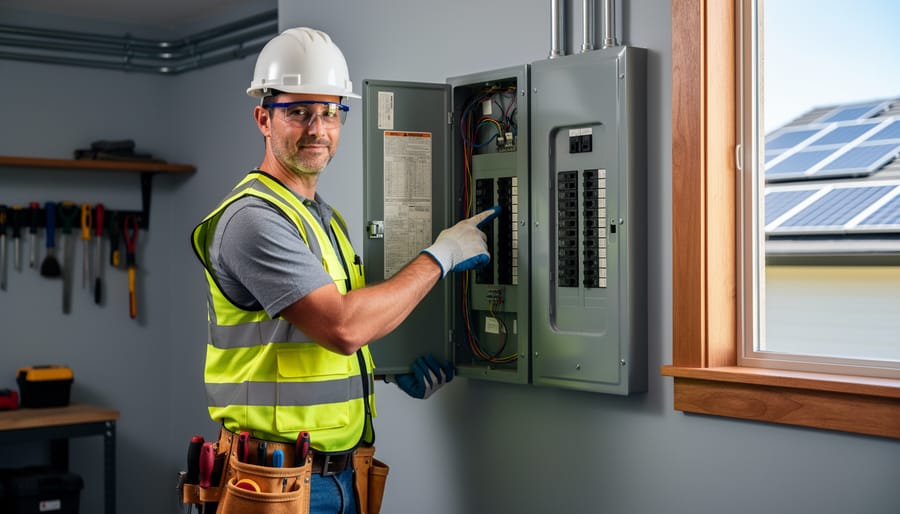
Why Your Home’s Electrical Panel Might Not Be Ready for Solar (And How to Fix It)
Check your electrical panel’s amperage rating before requesting solar quotes—most BC homes need at least 200 amps to accommodate solar installations, and panels below this threshold will require upgrades costing between $2,500 and $4,000. Locate your main breaker and inspect the number printed on the handle; if it reads 100 amps or less, factor panel…
-
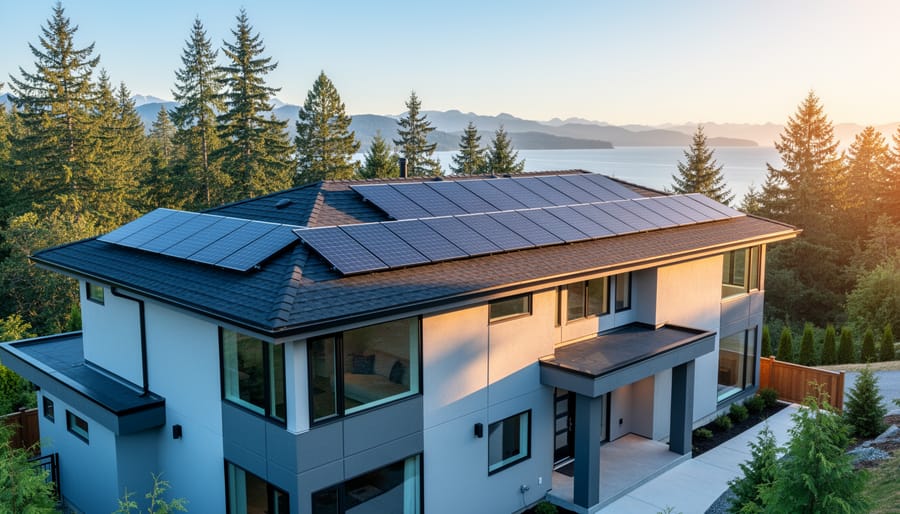
How a 6 kWh Solar System Powers Your BC Home (And Pays for Itself)
Understand that “6 kWh solar system” likely refers to a 6 kW (kilowatt) system, not kilowatt-hours. This common terminology mix-up matters because kW measures your system’s power output capacity, while kWh measures actual energy production over time. A 6 kW solar system in British Columbia typically generates 6,500-7,500 kWh annually, enough to power most average…
-
What Your Solar Panel Specs Really Mean for Your BC Home
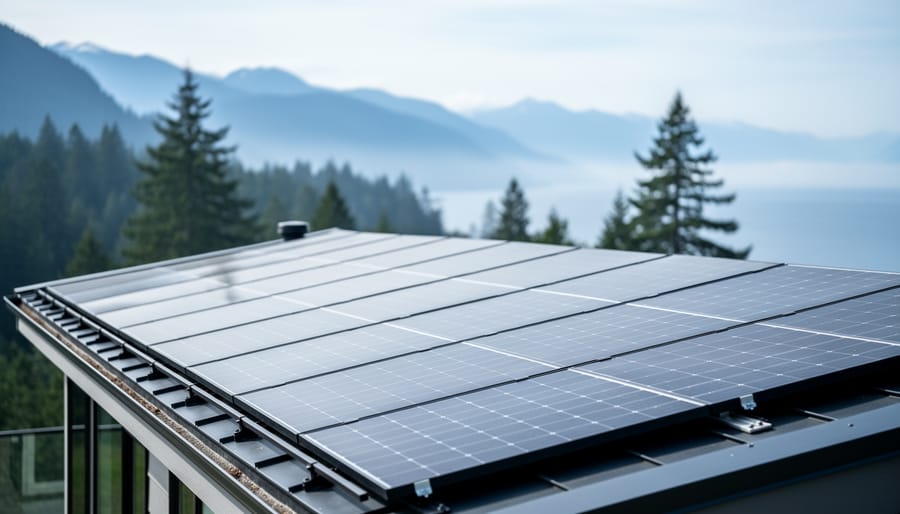
Compare wattage ratings across multiple panels to understand power output potential: a 400W panel generates more electricity per hour of sunlight than a 300W panel, directly impacting how many panels you’ll need for your home. Check the efficiency percentage, which tells you how much rooftop space you’ll require—panels with 20% efficiency produce more power per…
-
How to Pay for Solar Panels Without Breaking the Bank
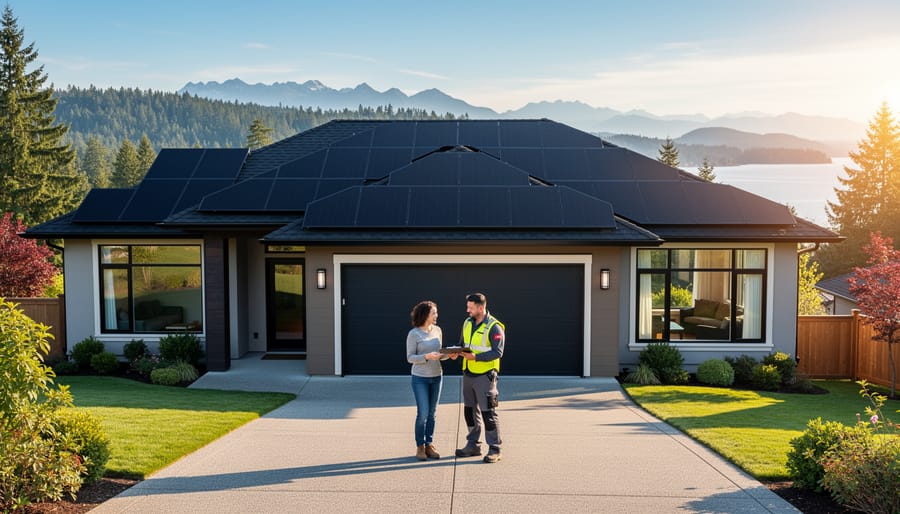
Explore upfront purchase options to maximize long-term savings and government incentives, allowing you to own your system immediately and benefit from BC’s net metering program that credits excess energy back to your account. Consider low-interest solar loans through credit unions and green financing programs that spread costs over 5-15 years while you still own the…
-
Why BC Homes Use More Energy Than They Should (And What You Can Do About It)
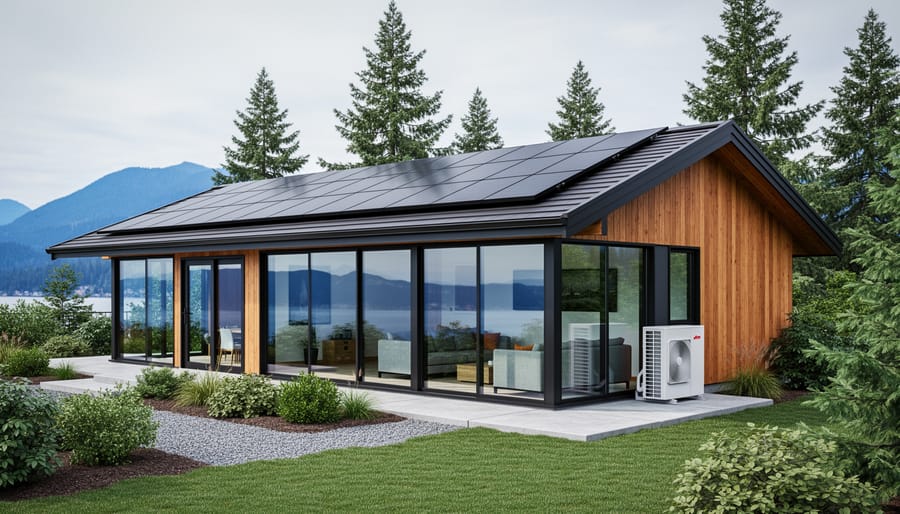
Understanding where your home fits in the bigger energy picture changes how you approach efficiency improvements. In the United States, energy consumption divides into four primary sectors: transportation (28%), industrial (26%), residential (22%), and commercial (18%). Your household sits within that 22% residential slice, which translates to roughly 20 million BTUs per year for the…
-
Why Series-Parallel Solar Panel Wiring Doubles Your System’s Reliability
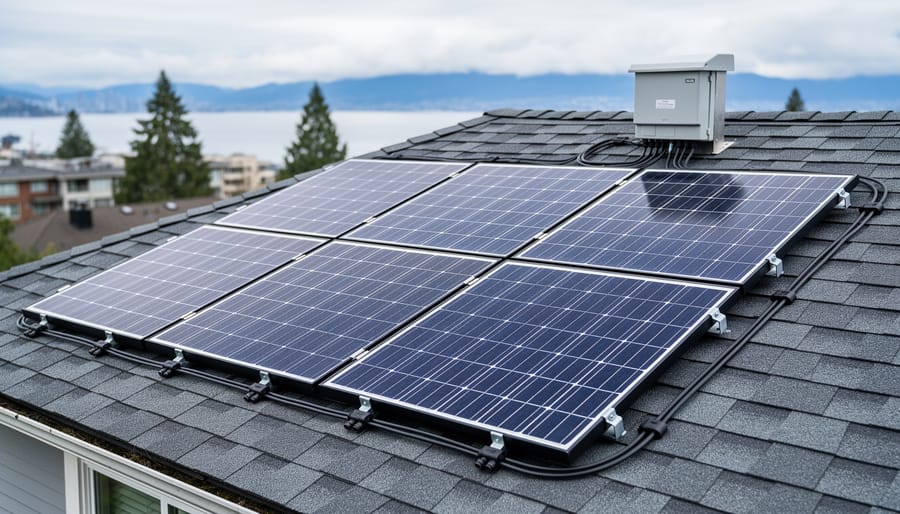
Connect your four solar panels by pairing two panels in series to boost voltage, then connecting those two pairs in parallel to maintain higher current output. This series-parallel configuration balances the system’s electrical characteristics, delivering optimal performance for medium-sized installations across British Columbia’s varied climate conditions. This wiring approach solves a common challenge: achieving the…
-
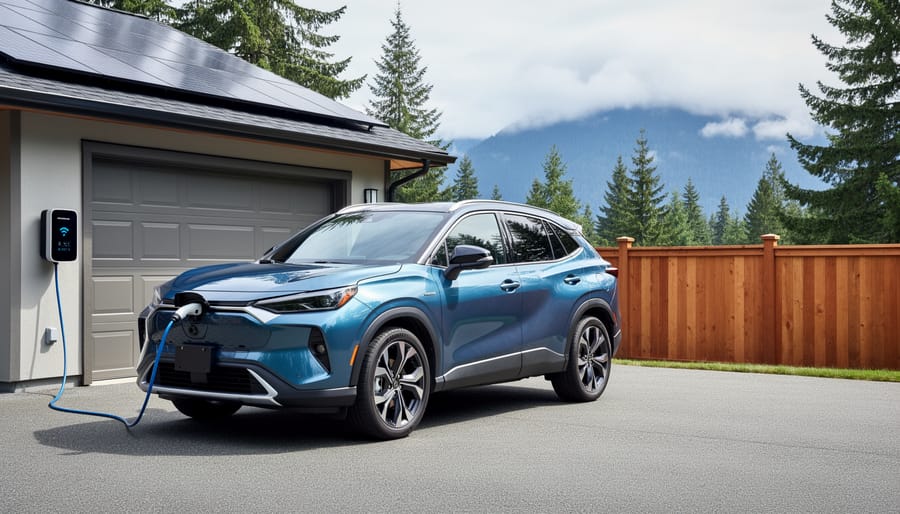
What You’ll Actually Pay to Charge Your Hybrid Car in BC
Charging a plug-in hybrid in British Columbia costs between $1.50 and $3.00 for a full charge, significantly less than filling up with gasoline. At BC’s average electricity rate of 14 cents per kWh, a typical plug-in hybrid with a 12 kWh battery costs approximately $1.68 to fully charge and provides 50-80 kilometers of electric driving…