-

The Solar Energy Quiz Bowl Game
Getting ready to shake up your class with something fun and a bit competitive? I’ve got just the thing for you—a game that’s not only a blast but super educational! If you want to infuse energy into your review sessions, why not try a quiz bowl tailored explicitly to solar energy topics? Yep, I’m talking…
-
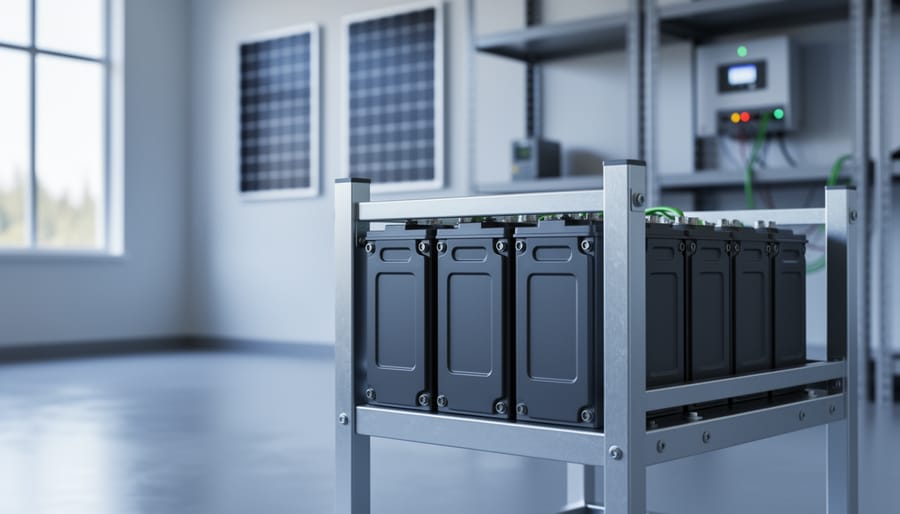
2nd Life Battery Systems: What Happens to Retired EV Batteries in BC
A second-life battery is an electric vehicle battery that has dropped below 70-80% of its original capacity and been retired from automotive use, but still holds enough charge to power homes, businesses, or community energy storage systems for years to come. These repurposed batteries offer BC residents and businesses a practical way to add energy…
-
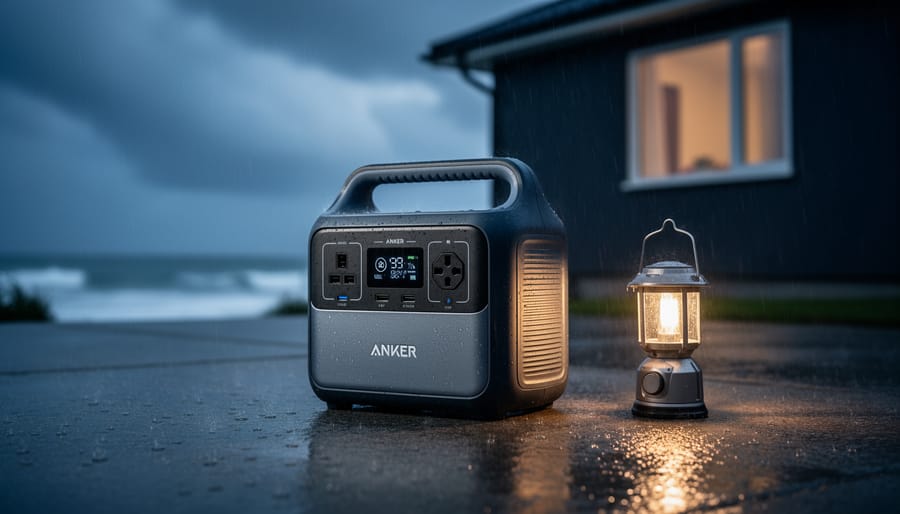
7 Best Portable Power Stations of 2026, Tested and Reviewed
After hands-on testing of 14 portable power stations from brands like Jackery, Anker, EcoFlow, and Goal Zero Yeti, we found the Anker C1000 Gen 2 delivers the best combination of power, portability, and value for most BC households. It handles the essentials during a coastal storm outage or a weekend at a remote cabin site…
-
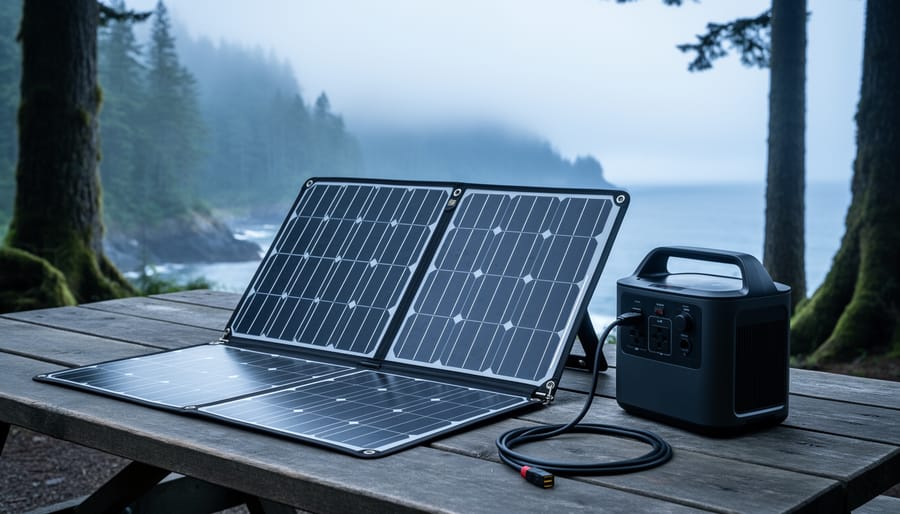
5 Best Portable Solar Panels of 2026, Tested for BC Camping & Emergency Backup
For British Columbians ready to power camping gear or keep devices charged during coastal outages, the Anker SOLIX PS200 Solar Panel stands out as our top pick, delivering 200 watts through monocrystalline cells rated at 23% efficiency and an IP67 waterproof rating that handles our region’s unpredictable weather. We tested this panel alongside four others…
-
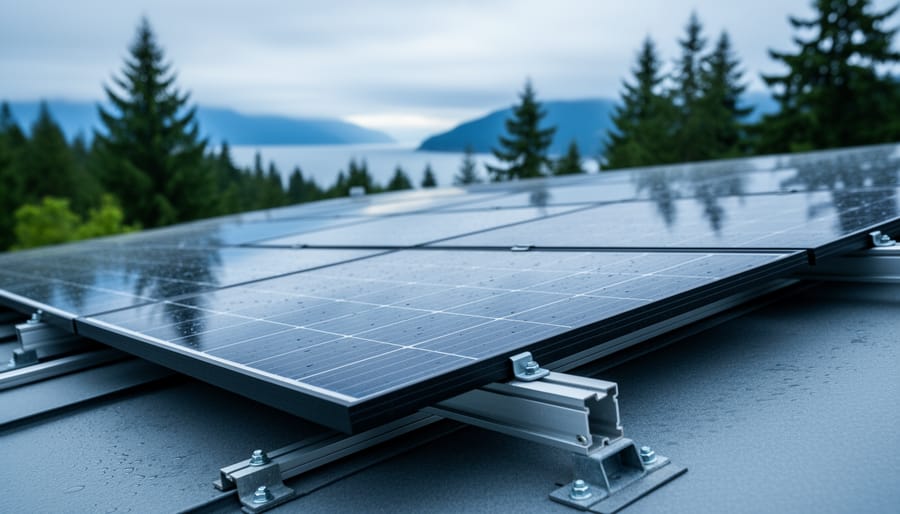
The Lifecycle of Solar Panels in BC: Stages, Performance, Recycling, and Carbon Impact
A solar panel’s journey spans roughly 25 to 30 years, moving through five distinct phases: manufacturing (where raw materials become photovoltaic cells), installation (when panels are mounted and connected), operation (the productive years of energy generation), performance degradation (gradual efficiency decline), and end-of-life management (decommissioning and recycling). Understanding this complete lifecycle helps British Columbia homeowners…
-
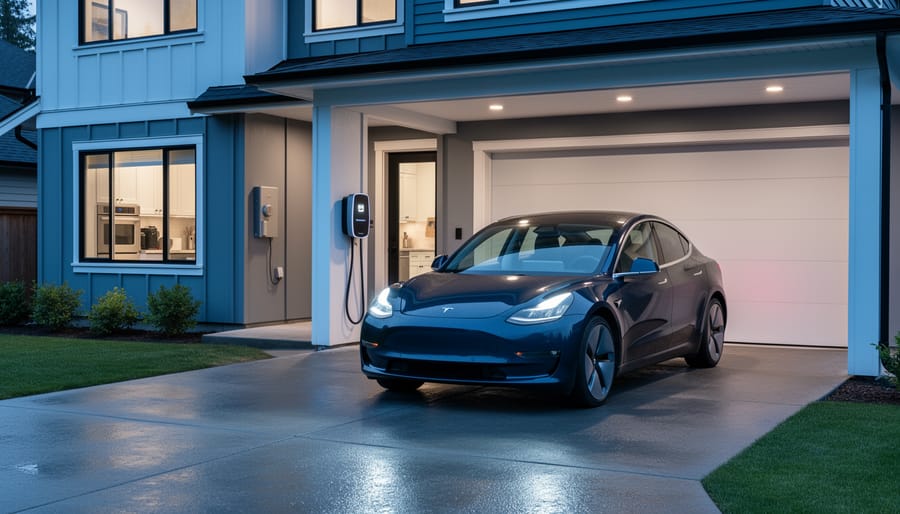
How EV Charging Load Management Protects Your Home Electrical System
EV charging load management is a smart control system that prevents your home or business electrical panel from overloading when charging electric vehicles, automatically distributing available power without requiring expensive panel upgrades. Instead of installing a larger electrical service to accommodate a new EV charger, load management monitors your existing capacity and adjusts charging speed…
-
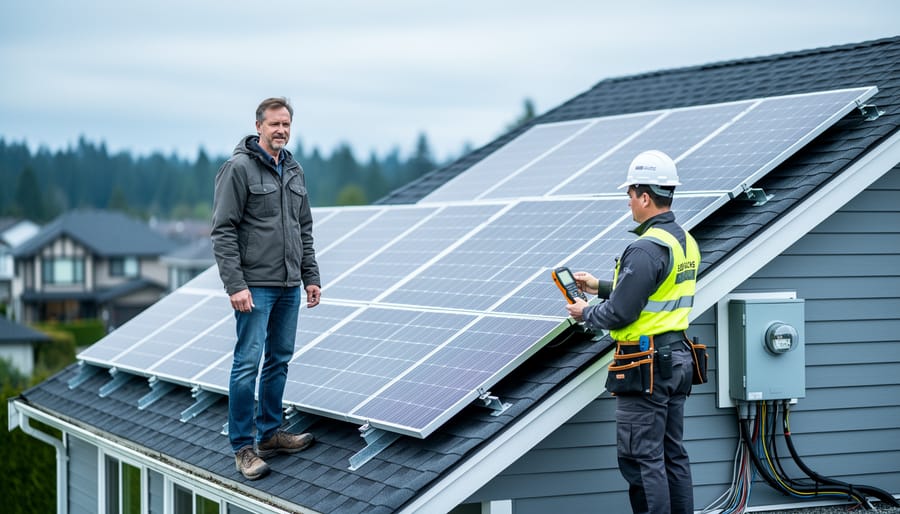
What You Need to Know About Solar Panel Installation Licenses in BC
In British Columbia, anyone installing solar panels on your property must hold a valid BC electrical contractor license and employ FSR-certified electricians to connect the system to your home’s electrical panel and the grid. This licensing requirement isn’t bureaucratic red tape. It protects you from fire hazards, code violations, and insurance claim denials that can…
-
How to Choose a Solar Energy Contractor in BC: A Homeowner’s Buying Guide
Choosing the right solar energy contractor in British Columbia means finding a qualified professional who holds current HPCN (Home Performance Contractor Network) membership, understands BC’s rebate landscape, and has a proven track record with residential installations similar to yours. As of 2026, the provincial government requires HPCN certification for contractors to qualify homeowners for CleanBC…
-
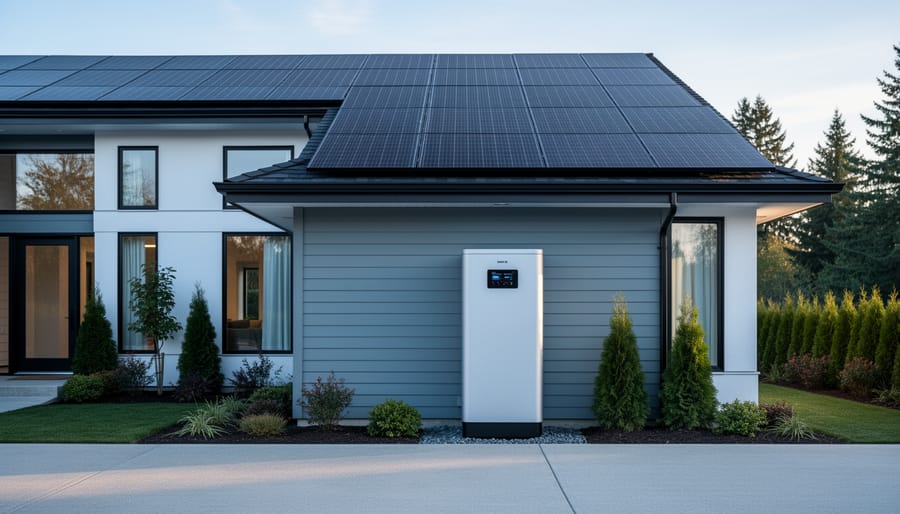
Best Home Solar Batteries That Actually Pay for Themselves in BC
Choosing the right solar battery means matching your household’s energy consumption to storage capacity, typically ranging from 10 kWh for smaller homes to 20+ kWh for larger properties with electric vehicles. BC homeowners can cut upfront costs significantly through CleanBC rebates that cover up to $5,000 per battery installation in 2026, making premium systems far…
-
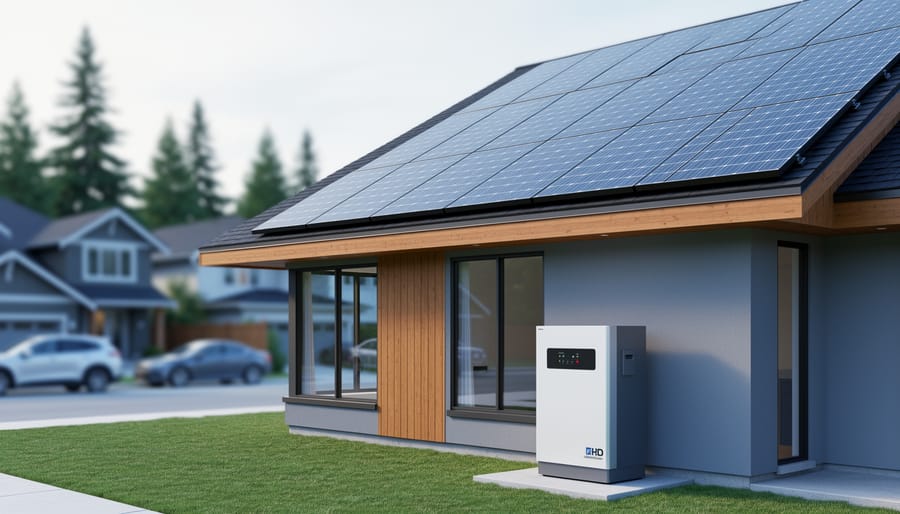
Solar Panel Rebates and Incentives That Can Save BC Homeowners Up to $10,000 in 2026
British Columbia homeowners can claim up to $10,000 in solar incentives right now through BC Hydro’s CleanBC programs. The provincial utility offers $5,000 for residential solar installations plus an additional $5,000 for battery storage systems, creating one of Canada’s most generous solar rebate packages after federal programs wound down. Access these funds by working with…
-
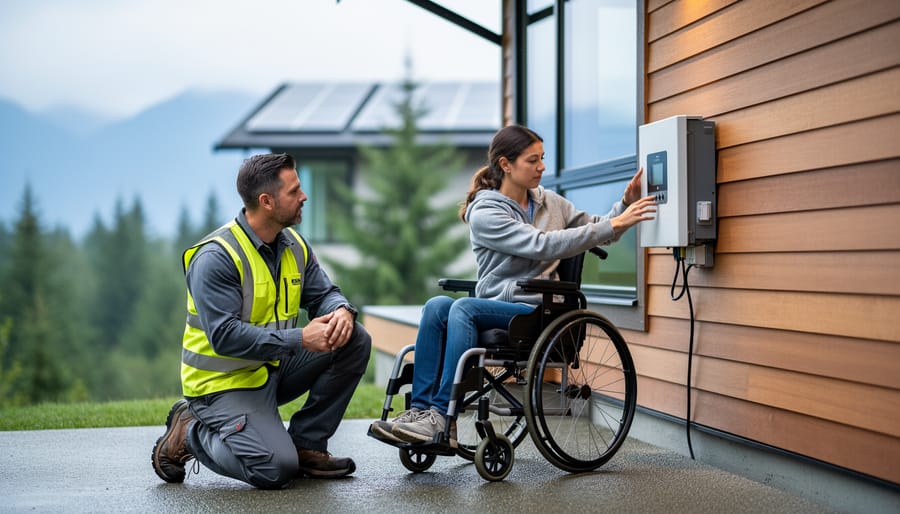
Why Your Solar Energy Plan Should Include Every British Columbian
Energy poverty affects British Columbians with disabilities at twice the rate of the general population, creating a cascade of challenges that extend far beyond monthly utility bills. When solar installations feature control panels mounted too high for wheelchair users, or when community energy programs fail to provide information in accessible formats, we exclude nearly one…