-

The Solar Energy Quiz Bowl Game
Getting ready to shake up your class with something fun and a bit competitive? I’ve got just the thing for you—a game that’s not only a blast but super educational! If you want to infuse energy into your review sessions, why not try a quiz bowl tailored explicitly to solar energy topics? Yep, I’m talking…
-

Stop Wasting Money on the Wrong Heat Pump Size
Calculate your home’s heating load by measuring total square footage, noting insulation quality, and counting windows and doors. This determines the BTU capacity your heat pump needs—too small means inefficient operation during cold snaps, while oversized units cycle frequently and waste energy. Multiply your square footage by 25-30 BTUs per square foot as a baseline…
-

How BC Solar Incentives Can Save You Thousands This Year
Apply for the Canada Greener Homes Grant today—this federal program offers up to $5,000 for solar panel installations, covering approximately 15-20% of your system cost. British Columbia homeowners should combine this with the CleanBC income-qualified solar program, which provides additional rebates of up to $10,000 for eligible households, potentially reducing your total investment by half.…
-
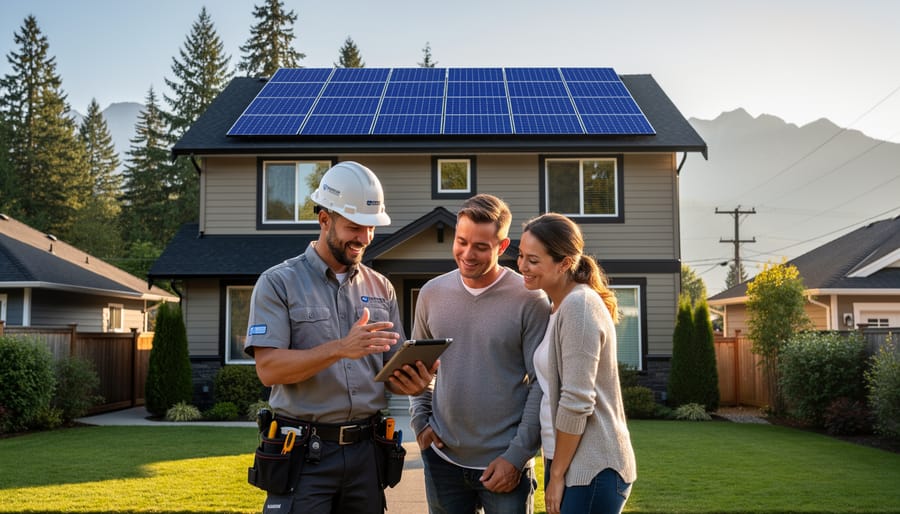
How PPA Solar Financing Lets You Go Solar Without Paying Upfront
Consider whether you’re ready to go solar without the upfront cost barrier. A Power Purchase Agreement (PPA) allows you to install solar panels on your British Columbia property with zero initial investment while immediately reducing your electricity bills. Under this arrangement, a third-party company owns and maintains the system on your roof, and you simply…
-
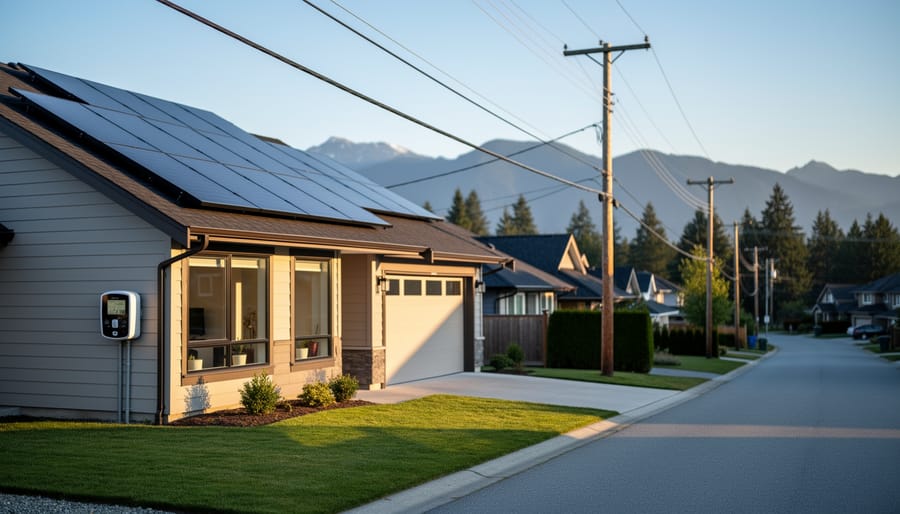
Why Your BC Hydro Account Shows ‘Accr Earning Pymt Added’ (And What It Means for Your Wallet)
Check your BC Hydro bill’s “accr earning pymt added to account” line item—this represents credits you’ve earned from your solar panel system sending excess electricity back to the grid through BC Hydro’s Net Metering Program. These accumulated earnings offset your future electricity consumption, typically appearing as a credit balance that rolls forward month to month.…
-
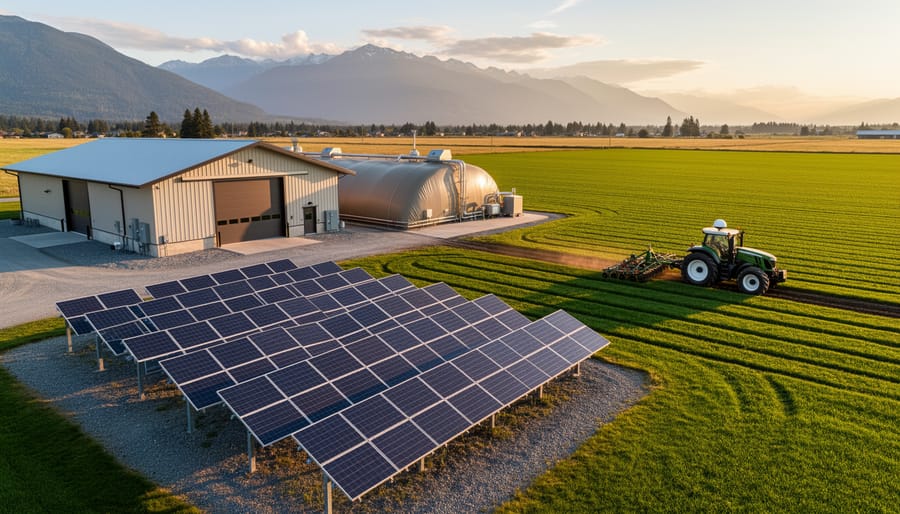
How Greenhouse Gas Research Is Transforming BC Farms and Food Production
Translate cutting-edge greenhouse gas research into farm-level action by accessing peer-reviewed studies in the International Journal of Greenhouse Gas Control, then adapting proven methodologies to British Columbia’s unique agricultural landscape. BC farmers are already slashing emissions by implementing research-backed strategies that reduce operational costs while meeting environmental targets. Start by identifying your farm’s primary emission…
-
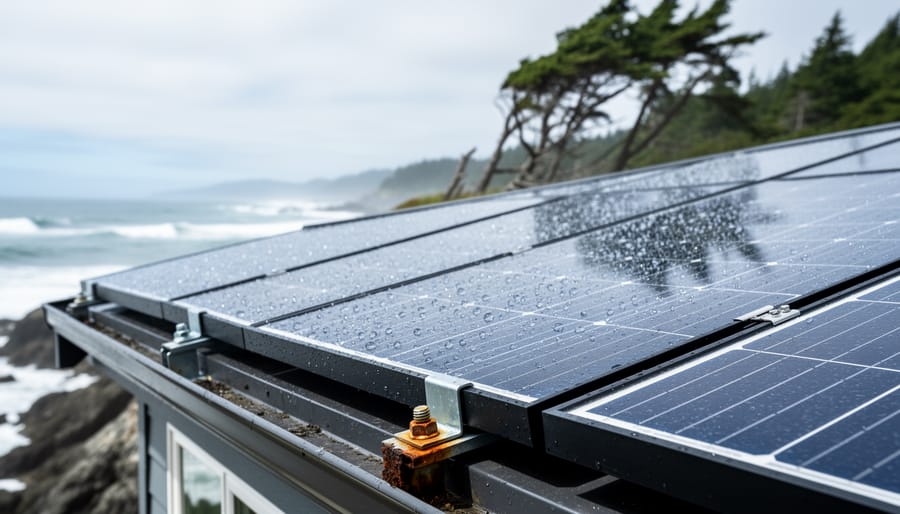
Why Coastal Salt Spray Could Be Destroying Your Solar Investment Right Now
Demand IEC 61701 salt spray certification when selecting solar panels for BC’s coastal regions—this international standard specifically tests photovoltaic modules against salt mist corrosion, ensuring your investment withstands ocean spray that can corrode electrical connections and degrade performance within years. Coastal installations from Tofino to Prince Rupert face unique environmental stresses beyond typical inland concerns…
-
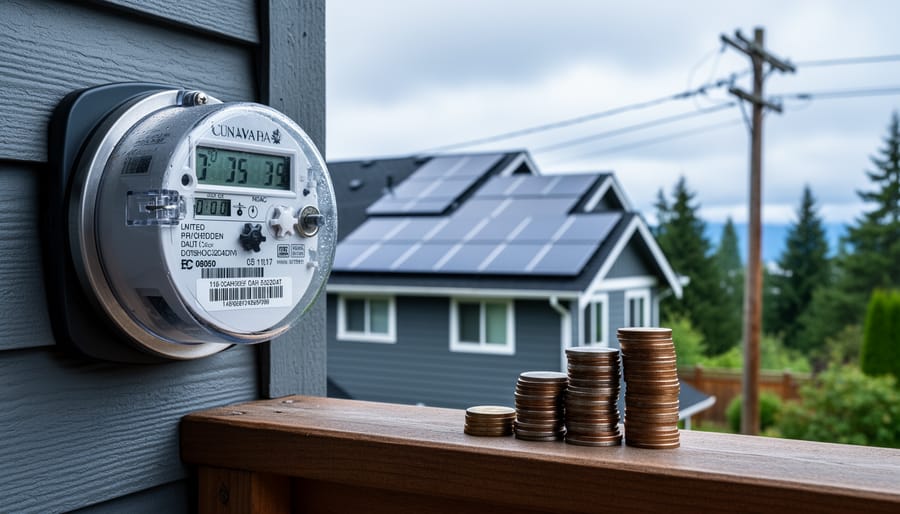
Why Your BC Hydro Bill Still Shows SBC Payments (Even With Solar Panels)
Understand that SBC payments (Small Business Conservation and low-income programs charges) will remain on your BC Hydro bill even after installing solar panels, typically costing residential customers $1-3 monthly regardless of your solar production. These fixed charges cannot be offset through net-metering credits, which means your actual solar savings will be lower than simply multiplying…
-
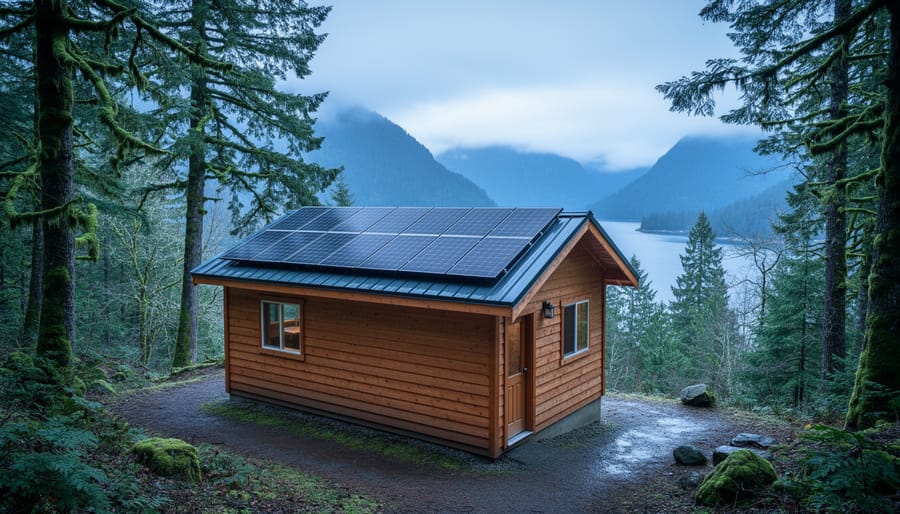
How BC Residents Are Cutting Power Bills to Zero with Off-Grid Solar
Evaluate your property’s solar potential by calculating your daily electricity consumption in kilowatt-hours, then multiply by 1.5 to account for British Columbia’s winter months when solar production drops by up to 60%. This baseline determines your minimum battery storage needs and panel array size. Examine successful BC installations matching your location’s climate zone. A Sunshine…
-

Smart Outlets That Cut Your Energy Bill While You Sleep
Your devices are quietly draining energy and money even when you think they’re off. Computers in sleep mode, phone chargers left plugged in, coffee makers on standby—these phantom loads account for up to 20% of your electricity bill. Plug load controls offer a straightforward solution: intelligent outlets and power strips that automatically cut power to…
-
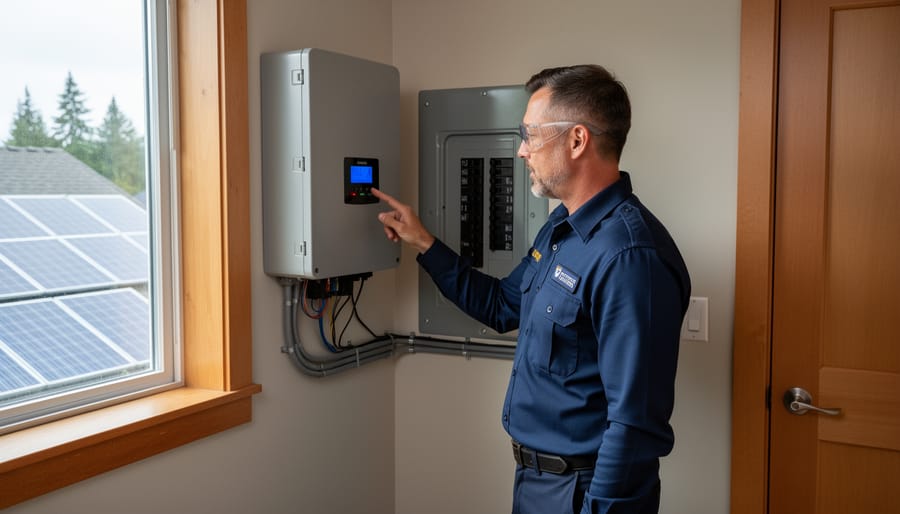
Why Your Home Electrical Inspection Could Save You From a Costly Solar Installation Mistake
Schedule your electrical inspection before installing solar panels to avoid costly reinstallation. BC’s electrical safety regulations require a qualified electrical inspector to verify your solar system meets provincial standards before connecting to the grid. This mandatory step protects your investment, ensures your family’s safety, and prevents insurance complications down the road. Understand that inspections happen…