-

The Solar Energy Quiz Bowl Game
Getting ready to shake up your class with something fun and a bit competitive? I’ve got just the thing for you—a game that’s not only a blast but super educational! If you want to infuse energy into your review sessions, why not try a quiz bowl tailored explicitly to solar energy topics? Yep, I’m talking…
-
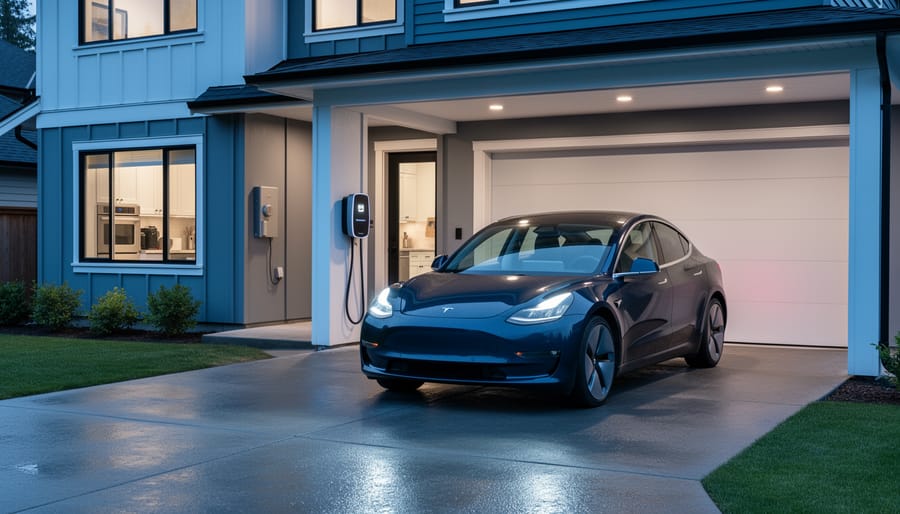
How EV Charging Load Management Protects Your Home Electrical System
EV charging load management is a smart control system that prevents your home or business electrical panel from overloading when charging electric vehicles, automatically distributing available power without requiring expensive panel upgrades. Instead of installing a larger electrical service to accommodate a new EV charger, load management monitors your existing capacity and adjusts charging speed…
-
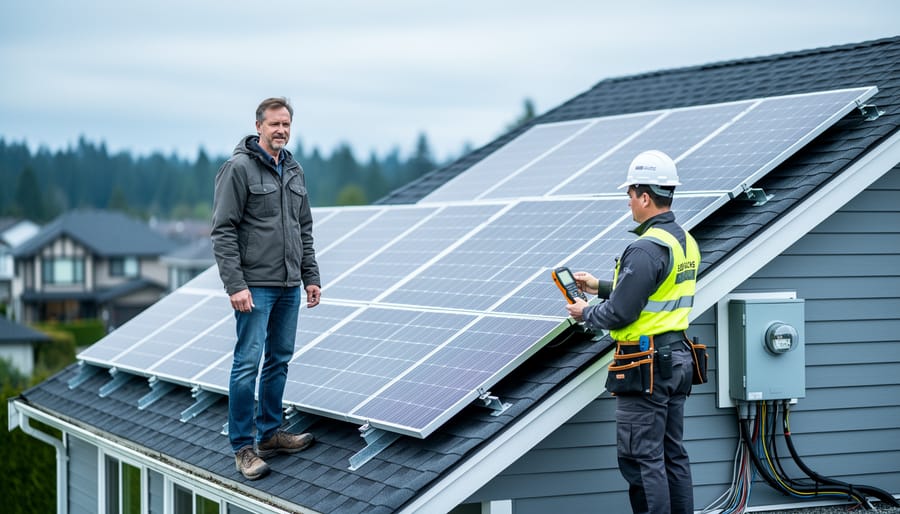
What You Need to Know About Solar Panel Installation Licenses in BC
In British Columbia, anyone installing solar panels on your property must hold a valid BC electrical contractor license and employ FSR-certified electricians to connect the system to your home’s electrical panel and the grid. This licensing requirement isn’t bureaucratic red tape. It protects you from fire hazards, code violations, and insurance claim denials that can…
-
How to Choose a Solar Energy Contractor in BC: A Homeowner’s Buying Guide
Choosing the right solar energy contractor in British Columbia means finding a qualified professional who holds current HPCN (Home Performance Contractor Network) membership, understands BC’s rebate landscape, and has a proven track record with residential installations similar to yours. As of 2026, the provincial government requires HPCN certification for contractors to qualify homeowners for CleanBC…
-
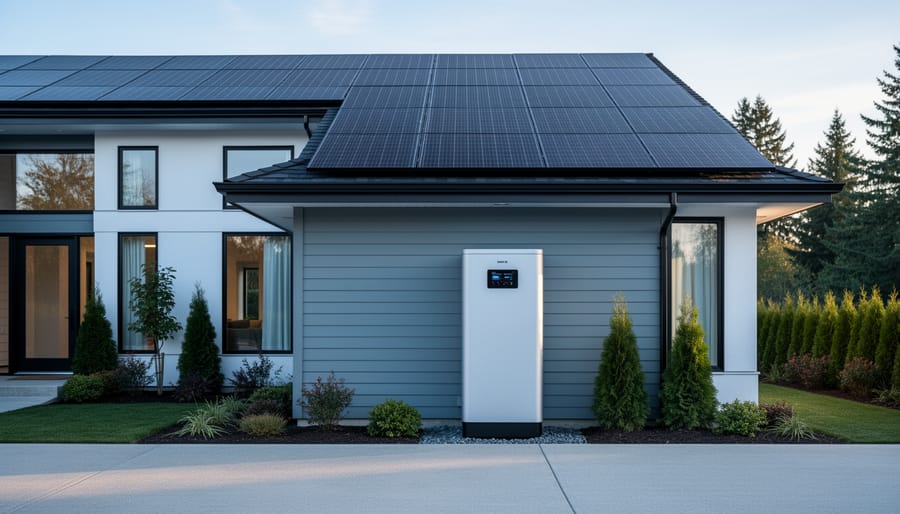
Best Home Solar Batteries That Actually Pay for Themselves in BC
Choosing the right solar battery means matching your household’s energy consumption to storage capacity, typically ranging from 10 kWh for smaller homes to 20+ kWh for larger properties with electric vehicles. BC homeowners can cut upfront costs significantly through CleanBC rebates that cover up to $5,000 per battery installation in 2026, making premium systems far…
-
Solar Panel Rebates and Incentives That Can Save BC Homeowners Up to $10,000 in 2026
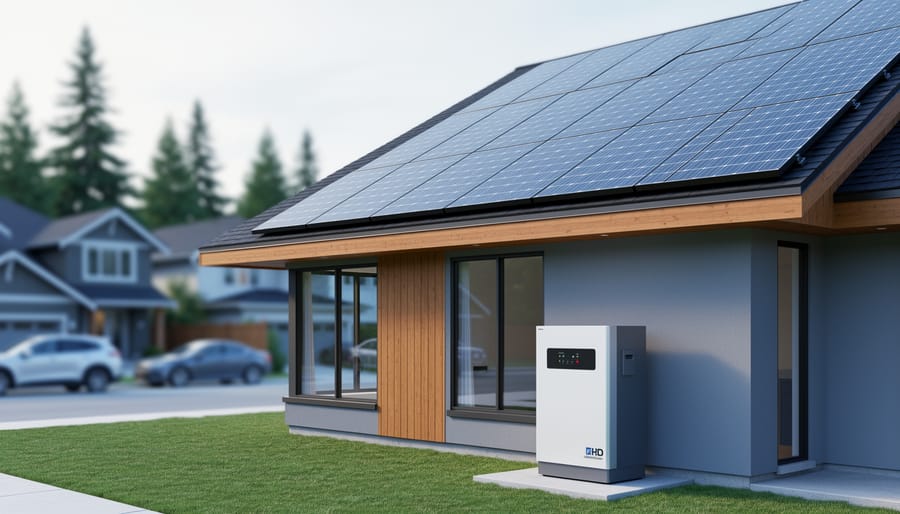
British Columbia homeowners can claim up to $10,000 in solar incentives right now through BC Hydro’s CleanBC programs. The provincial utility offers $5,000 for residential solar installations plus an additional $5,000 for battery storage systems, creating one of Canada’s most generous solar rebate packages after federal programs wound down. Access these funds by working with…
-
Why Your Solar Project Might Be Stuck in Line (And How Hosting Capacity Maps Can Help)
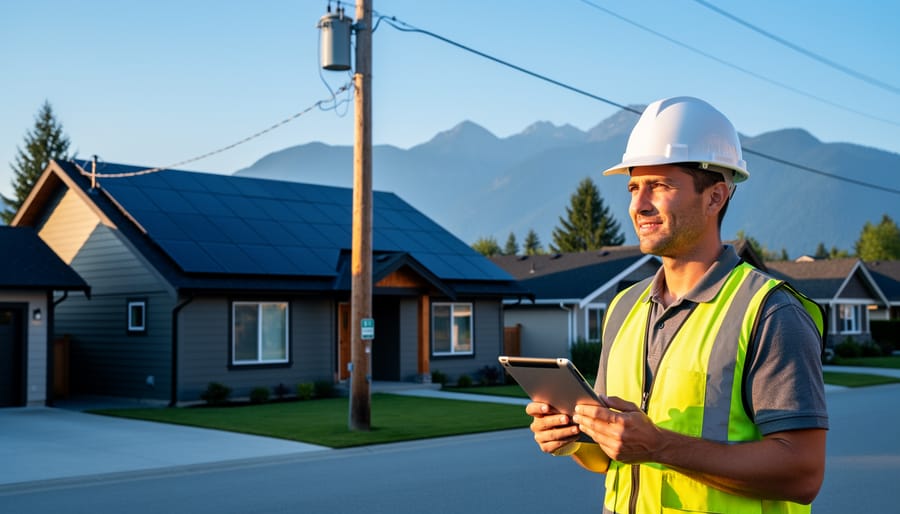
Check your utility’s hosting capacity map before investing in solar panels—these interactive tools show exactly how much solar power the electrical grid can accept at your specific address. BC Hydro and FortisBC publish updated maps that display available capacity using color-coded zones, allowing you to determine within minutes whether your property faces potential interconnection delays.…
-
Why Your Solar Energy Plan Should Include Every British Columbian
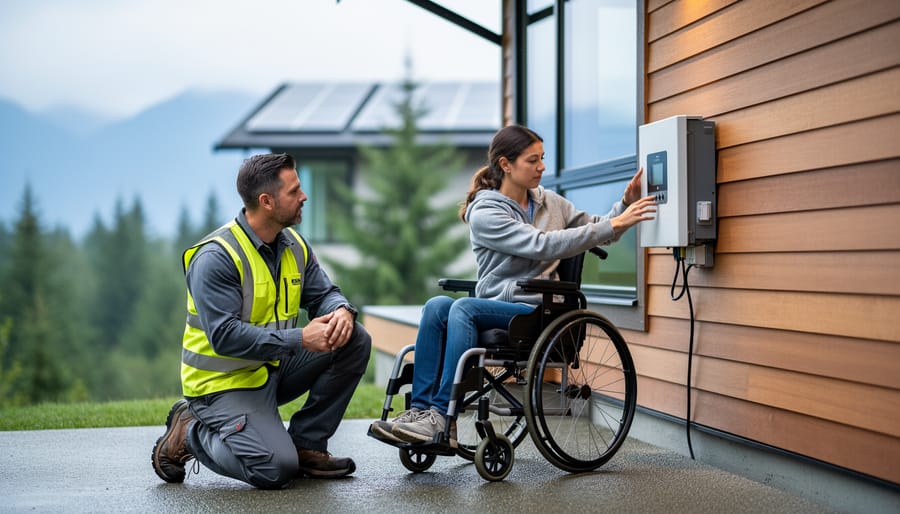
Energy poverty affects British Columbians with disabilities at twice the rate of the general population, creating a cascade of challenges that extend far beyond monthly utility bills. When solar installations feature control panels mounted too high for wheelchair users, or when community energy programs fail to provide information in accessible formats, we exclude nearly one…
-
How BC Solar Incentives Can Save You Thousands This Year
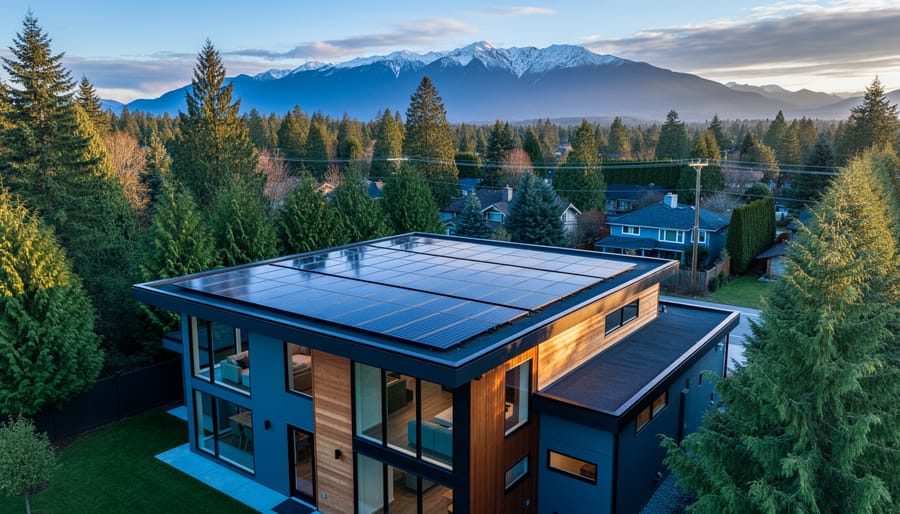
Apply for the Canada Greener Homes Grant today—this federal program offers up to $5,000 for solar panel installations, covering approximately 15-20% of your system cost. British Columbia homeowners should combine this with the CleanBC income-qualified solar program, which provides additional rebates of up to $10,000 for eligible households, potentially reducing your total investment by half.…
-
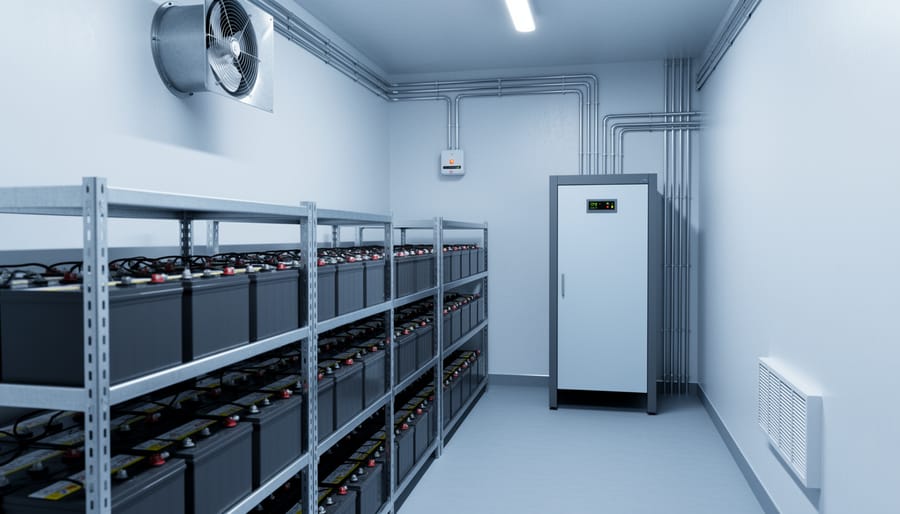
Why Your Battery Storage Room Needs Better Air Flow (Before It’s Too Late)
Install hydrogen gas detectors near ceiling level in your battery storage area, as charging lead-acid and flooded batteries release combustible hydrogen gas that rises and accumulates in poorly ventilated spaces. Without proper air exchange, concentrations can reach explosive levels of 4% or higher within hours. Calculate your required ventilation rate using the formula: CFM =…
-
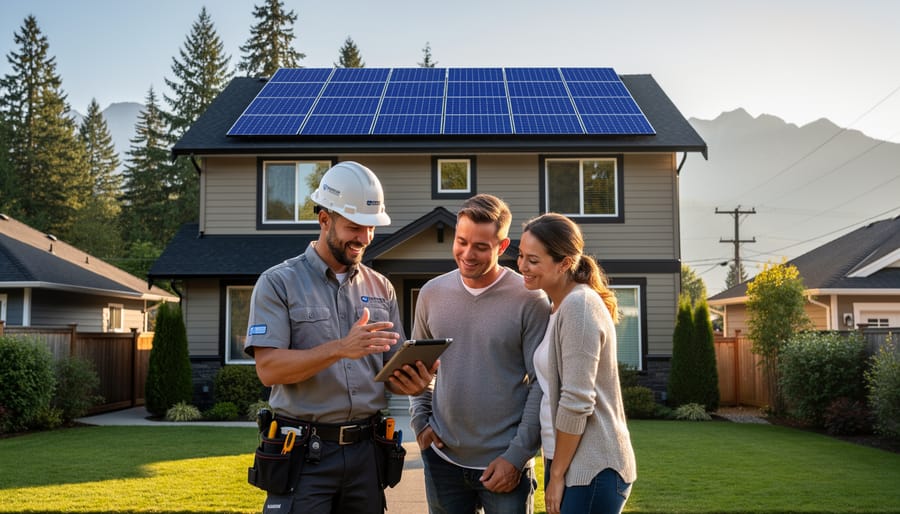
How PPA Solar Financing Lets You Go Solar Without Paying Upfront
Consider whether you’re ready to go solar without the upfront cost barrier. A Power Purchase Agreement (PPA) allows you to install solar panels on your British Columbia property with zero initial investment while immediately reducing your electricity bills. Under this arrangement, a third-party company owns and maintains the system on your roof, and you simply…